
Mendoza Wineries: A Local Guide to Visiting Argentina’s Wine Capital
Encontra Mendoza Wineries en Mendoza en Mendoza Digital.

Bodega Lancellotti – Salon Zafiro
- Cuitiño 991 esquina, RN7
- 0263 441-9048
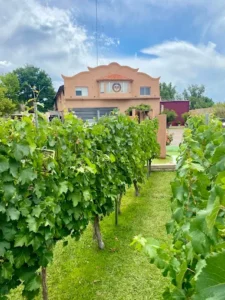
Bodega Hinojosa
- San Martín 1942
- 0262 231-2310
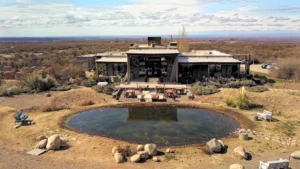
Bodega Familia Gimenez Riili
- K11 Los Chacayes, RP94
- 0261 15-347-0392
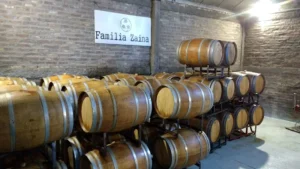
Bodega Familia Zaina
- Los Volcanes
- 0261 587-7915
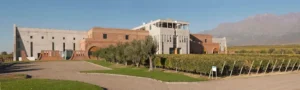
Bodega Monteviejo
- Clodomiro Silva, Campo de los Andes
- 0261 15-532-8126
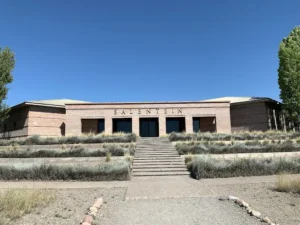
Bodega Salentein
- Los Árboles (Ruta 89).
- 0261 554-7902
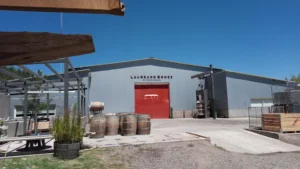
Laureano Gomez Winemaker
- Calle Reina S/N, Colonia Las Rosas
- 0261 15-300-9891
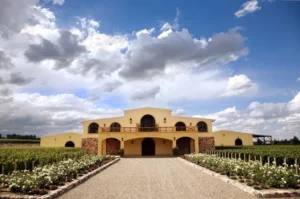
Bodega Piedra Negra (Lurton)
- RP94 km 20, Vista Flores
- 0261 454-8556
Mendoza is where most of Argentina’s wine is born. More than 71% of the country’s vineyard area is planted in this province, and in 2024 around 230 wineries opened their doors to visitors, adding up to more than 1.5 million winery visits in a single year. This guide is written from Mendoza to help you choose the right wine region, plan a realistic winery day and then find wineries by area in the Mendoza Digital directory, where you contact each winery directly.
Why Mendoza is South America’s leading wine destination
Mendoza’s vineyards grow in a high desert at the foot of the Andes. Rain is scarce, the sun shines most of the year and the vines are irrigated with snowmelt from the mountains. Large differences between day and night temperatures give the grapes color, fresh acidity and ripe fruit at the same time. That combination turned Malbec, a French grape that struggled in Europe, into Argentina’s signature wine.
The region also has a long track record of quality standards. Luján de Cuyo created its Controlled Designation of Origin in 1989, recognized as the first in the Americas and given the force of national law in 1999. Mendoza has been a member of the Great Wine Capitals network since 2005, alongside regions such as Bordeaux and Napa Valley. International visitors are a big part of the story: 42.8% of people who visit Mendoza’s wineries come from abroad, mainly from Brazil, the United States and Canada.
Mendoza’s wine regions compared
Mendoza is a large province, and the single most important planning decision is which area to visit on each day. Distances below are approximate from Mendoza city.
| Region | Departments | Distance from the city | Best for |
|---|---|---|---|
| Luján de Cuyo | Luján de Cuyo | 20 to 35 km | Classic Malbec, historic and iconic wineries, long paired lunches |
| Maipú | Maipú | 15 to 25 km | First-time visitors, wine and olive oil routes, cycling between wineries |
| Uco Valley | Tunuyán, Tupungato, San Carlos | 80 to 130 km | High-altitude wines, Andes views, architecture, boutique stays |
| Greater Mendoza | Godoy Cruz, Guaymallén | Inside the metro area | Short visits, historic cellars, half-day plans |
| East Mendoza | San Martín, Junín, Rivadavia, Santa Rosa | 40 to 90 km | Family producers, traditional varieties, fewer crowds |
| South Mendoza | San Rafael, General Alvear | 230 km and beyond | Multi-day trips that combine wine with canyons and rivers |
Luján de Cuyo is the traditional heart of Malbec, with old vineyards in districts such as Agrelo, Perdriel and Vistalba. See the wineries in Luján de Cuyo. Maipú is the closest wine area to the city and the easiest for a first day; browse the wineries in Maipú.
The Uco Valley is where many of Argentina’s most acclaimed modern wines come from, with vineyards climbing toward the Andes at high altitude. It deserves a full day or an overnight stay. Explore wineries in Tunuyán, Tupungato and San Carlos.
Close to the city, Godoy Cruz and Guaymallén keep some of the oldest cellars in the province. To the east, San Martín, Junín, Rivadavia and Santa Rosa form the province’s largest growing area by volume, with a strong family-winery tradition. In the south, San Rafael has its own designation of origin and pairs well with General Alvear on a longer trip.
How to choose a winery and avoid a disappointing day
Most bad winery days in Mendoza come from planning mistakes, not from the wine. Compare these choices before you book:
- Good choice: one region per day. Common mistake: mixing the Uco Valley and Maipú on the same day, which means hours on the road instead of in the vineyards.
- Good choice: two or three visits plus lunch. Common mistake: booking four or five tastings, rushing every visit and arriving late to the next one.
- Good choice: matching the winery size to your style. Large iconic estates offer striking architecture and polished tours with fixed schedules. Small family wineries often mean meeting the owner or winemaker, but may have fewer time slots and fewer languages available.
- Good choice: knowing what you are booking. A standard tasting usually includes three or four wines; premium and barrel tastings show reserve wines; paired lunches can last three hours or more and are a full experience on their own.
- Good choice: asking in advance whether the visit is offered in English. Common mistake: assuming every small winery has an English-speaking guide every day.
Planning your winery day: booking, timing and transport
A classic Mendoza winery day starts with a first visit around 10 a.m., continues with a long lunch from about 1 p.m. and leaves room for one more visit in the afternoon. Book ahead, especially from February to April and on Argentine long weekends. Many wineries offer limited visits or close on Sundays and some public holidays, so confirm opening days before you plan your route.
For getting around, you have four realistic options: a private driver, an organized wine tour, wine bus routes that connect several wineries, or a bicycle in Maipú, where wineries are close together on flat roads. Renting a car only works if someone in your group does not drink. Argentina enforces strict drink-driving rules, and police checks are common on wine routes.
Mendoza is easy to combine with mountain plans. On the road to Aconcagua you pass the turquoise reservoir of Potrerillos, about an hour from the city. Further up the Andes, Aconcagua is the highest peak outside Asia, and in winter Las Leñas is Mendoza’s best-known ski resort.
When to visit Mendoza’s wineries
- Harvest, February to April: the most exciting time, with grapes being picked and wineries in full activity. It is also the busiest season, so reserve early.
- Vendimia, early March: the National Grape Harvest Festival has been celebrated since 1936. It ends with a large open-air show at the Frank Romero Day Greek Theatre, where the National Harvest Queen is crowned.
- Malbec World Day, April 17: wineries and restaurants often run special events around this date.
- Autumn, April to May: vineyards turn gold and red, days are mild and crowds are smaller.
- Winter, June to August: the vines rest, but days are usually clear and sunny. Pair wineries with a few days in the snow.
- Spring, September to November: the vines bud, temperatures are pleasant and it is a calm time to visit.
- Summer, December to January: hot afternoons, so book morning visits.
What to taste beyond Malbec
Malbec is the reason most people come, but Mendoza offers much more. Cabernet Franc has become one of the most exciting reds from the Uco Valley. Bonarda, widely planted in East Mendoza, makes juicy, easygoing reds. Cabernet Sauvignon has a long history here, and red blends are a favorite of many winemakers. For whites, high-altitude Chardonnay and Sauvignon Blanc show fresh acidity, and old-vine Semillón is a local treasure. Mendoza also produces high-quality traditional-method sparkling wine, ideal to start a tasting.
Practical tips for international visitors
- Language: large wineries usually guide visits in English and often in Portuguese; smaller ones may only offer Spanish on some days.
- Payments: some wineries quote prices for foreign visitors in US dollars. Carry an international card and some cash, and check current payment and exchange options before you travel, as they change often.
- Taking wine home: pack bottles in your checked luggage with protective sleeves, and check your country’s customs allowance for alcohol.
- Sun and altitude: bring water, sunscreen and a jacket. Evenings in the Uco Valley get cold even in summer.
- Families: many wineries welcome children, but tastings are only for adults; the legal drinking age in Argentina is 18.
How to find wineries with Mendoza Digital
Mendoza Digital is a local online directory from Mendoza. We list wineries by department so you can see what is near you, review each listing and contact the winery directly. We do not sell tours or take bookings: every reservation is arranged between you and the winery. Listings are written in Spanish; your browser can translate them automatically. To see every area in one place, visit the full directory of wineries in Mendoza.
Frequently asked questions about Mendoza wineries
Which is the best area to visit wineries in Mendoza?
It depends on your time and style. Maipú is the closest and easiest for a first visit, Luján de Cuyo is the classic area for Malbec and historic wineries, and the Uco Valley offers high-altitude wines and Andes views but needs a full day because it is 80 to 130 km from the city.
How many wineries can you visit in one day in Mendoza?
Two or three visits plus lunch is the realistic number. Each visit usually takes 60 to 90 minutes, and paired lunches at wineries can last three hours or more, so trying to fit more visits usually means rushing all of them.
Do I need to book winery visits in Mendoza in advance?
Yes. Most wineries work with reservations and fixed time slots, especially from February to April and on long weekends. Many have limited visits or close on Sundays and some public holidays, so confirm the day before you plan your route.
When is the best time of year to visit Mendoza wineries?
The harvest season from February to April is the most lively, with the Vendimia festival in early March. April and May bring autumn colors and fewer crowds, while spring and winter are calm, sunny seasons that are also good for visiting.
Can I visit Mendoza wineries without a car?
Yes. You can hire a private driver, join an organized wine tour, use wine bus routes that connect several wineries or cycle between wineries in Maipú. Driving yourself is only a good idea if someone in the group will not drink, because drink-driving rules are strict.